Beyond the Podium: Key Trends Shaping the Trophy Industry in 2026
The landscape of recognition is shifting. And as trophy design evolves, so too do the values of the organisations commissioning awards.
EFX’s latest analysis of internal manufacturing data from the financial year 2025-2026 reveals a distinct movement toward sustainability, with a significant increase in demand for guidance on material sourcing and a growing preference for recyclable materials for bespoke and even off the shelf trophy designs
Beyond material choices, the industry is seeing steady, global growth, from increasing demand for manufacturing to larger single orders.
Below, we break down the core statistics defining this new era of trophy manufacturing.
Trophy manufacturing trends
Key highlights from the data show that there’s significant growth in the recognition industry, both in the UK and globally.
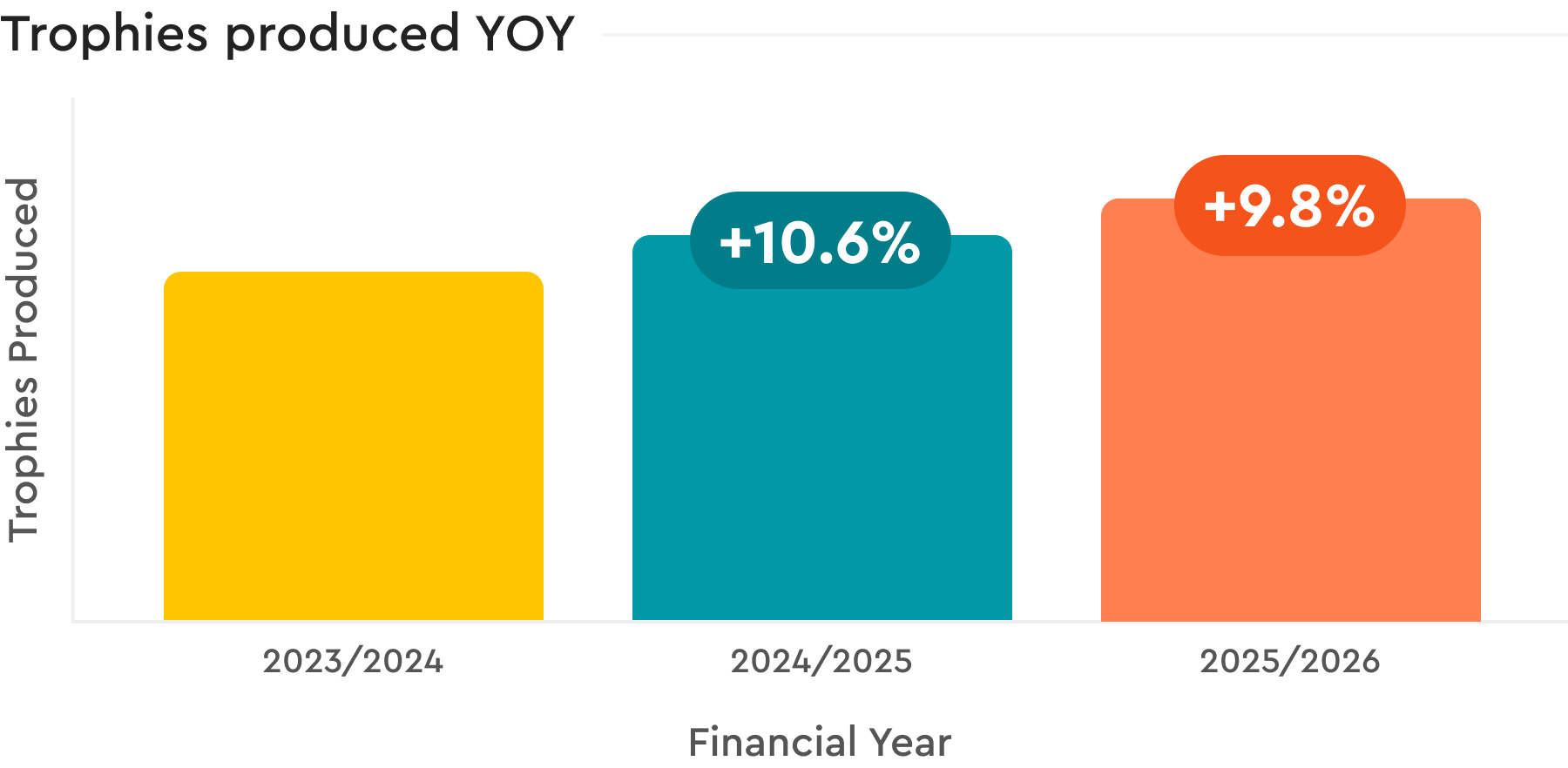
10% increase in manufactured trophies
Between 2023 and 2026 there’s been steady and significant growth in the trophy manufacturing industry, with 10% growth year on year in the number of trophies produced.
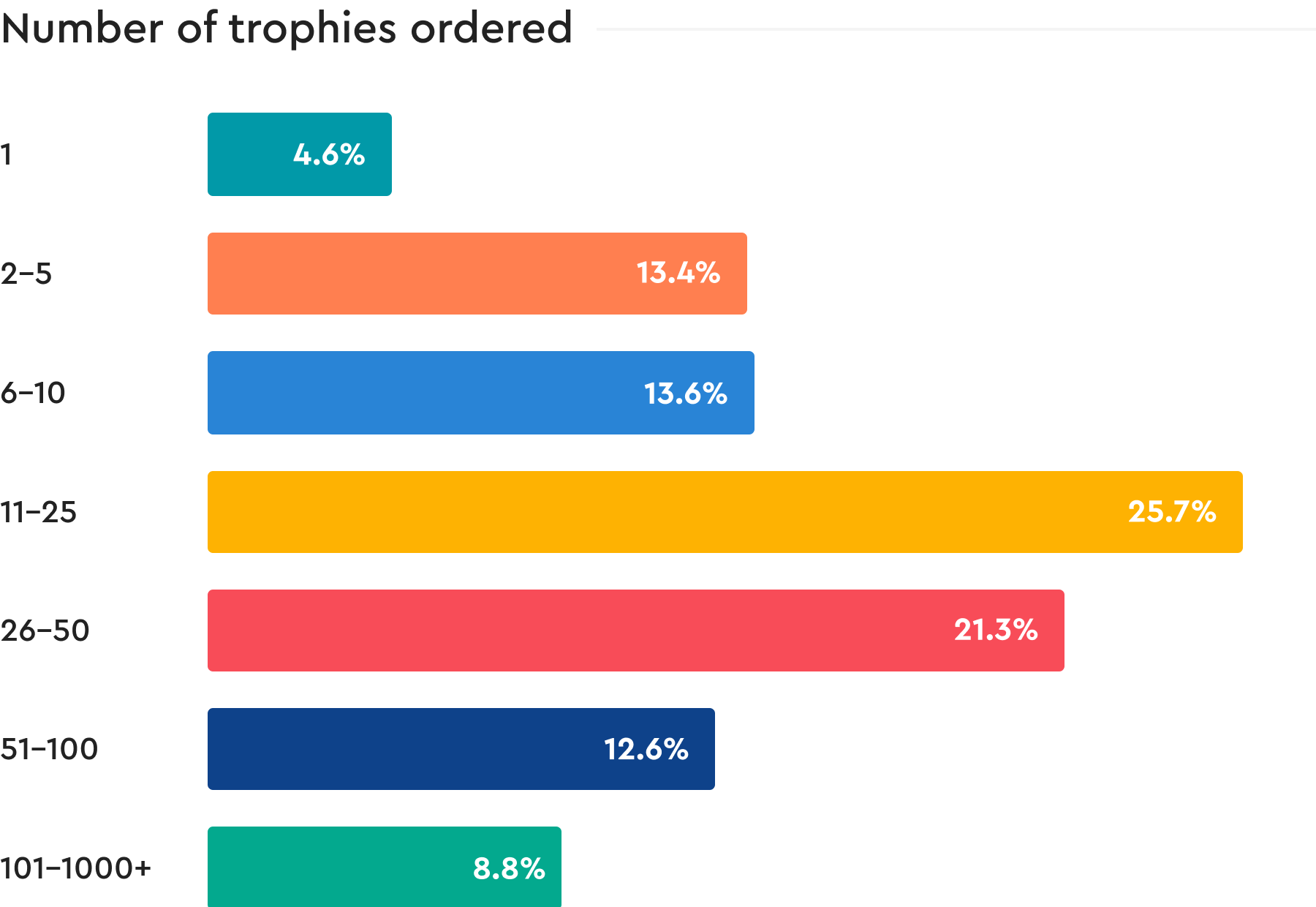
47% of orders were for 11-50 trophies
Almost half of orders in 2025/6 were for 11-50 trophies, with less than 5% for single awards.
Largest number of trophies in a single order: 2,285
While most orders were in the double digits, our largest order was for over two thousand trophies.
66.9% client retention rate
EFX’s client retention rate continues to be fantastically good, holding at 66.9% for 2025/6, compared to 66.5% for 2024/5.

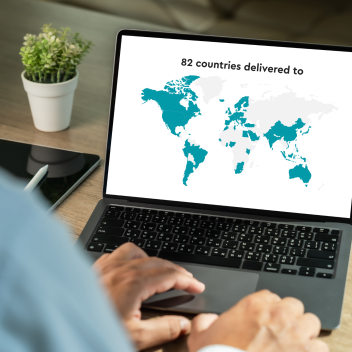
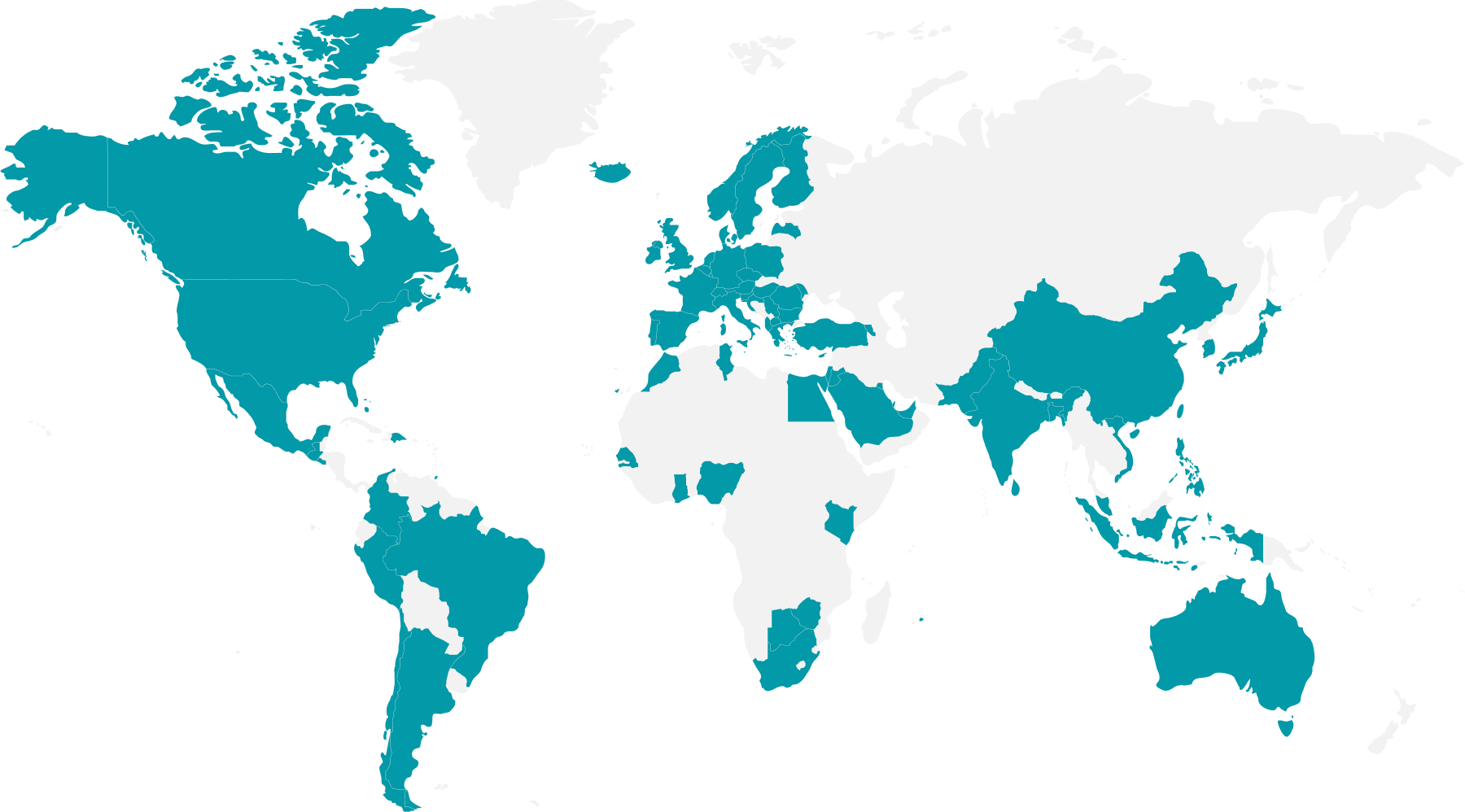
82 countries delivered to
With clients and events all over the globe, we delivered trophies to 80 countries outside the UK in 2025/6.
=
Furthest delivery: 8,008km
With global clients and events, the furthest delivery of trophies was to China – a distance of 8,008km.
Closest delivery: 4km
But global reach doesn’t mean that we’re not still working with local companies and events. In fact our closest client was just 4km down the road in Stratford-upon-Avon.
Reliance on designer expertise more than doubles
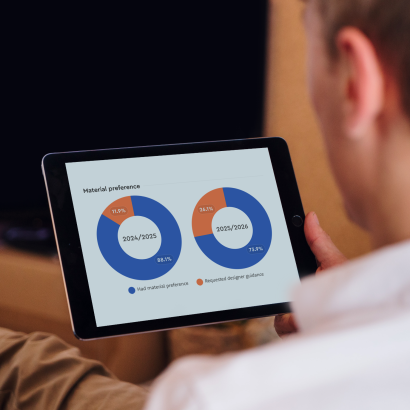
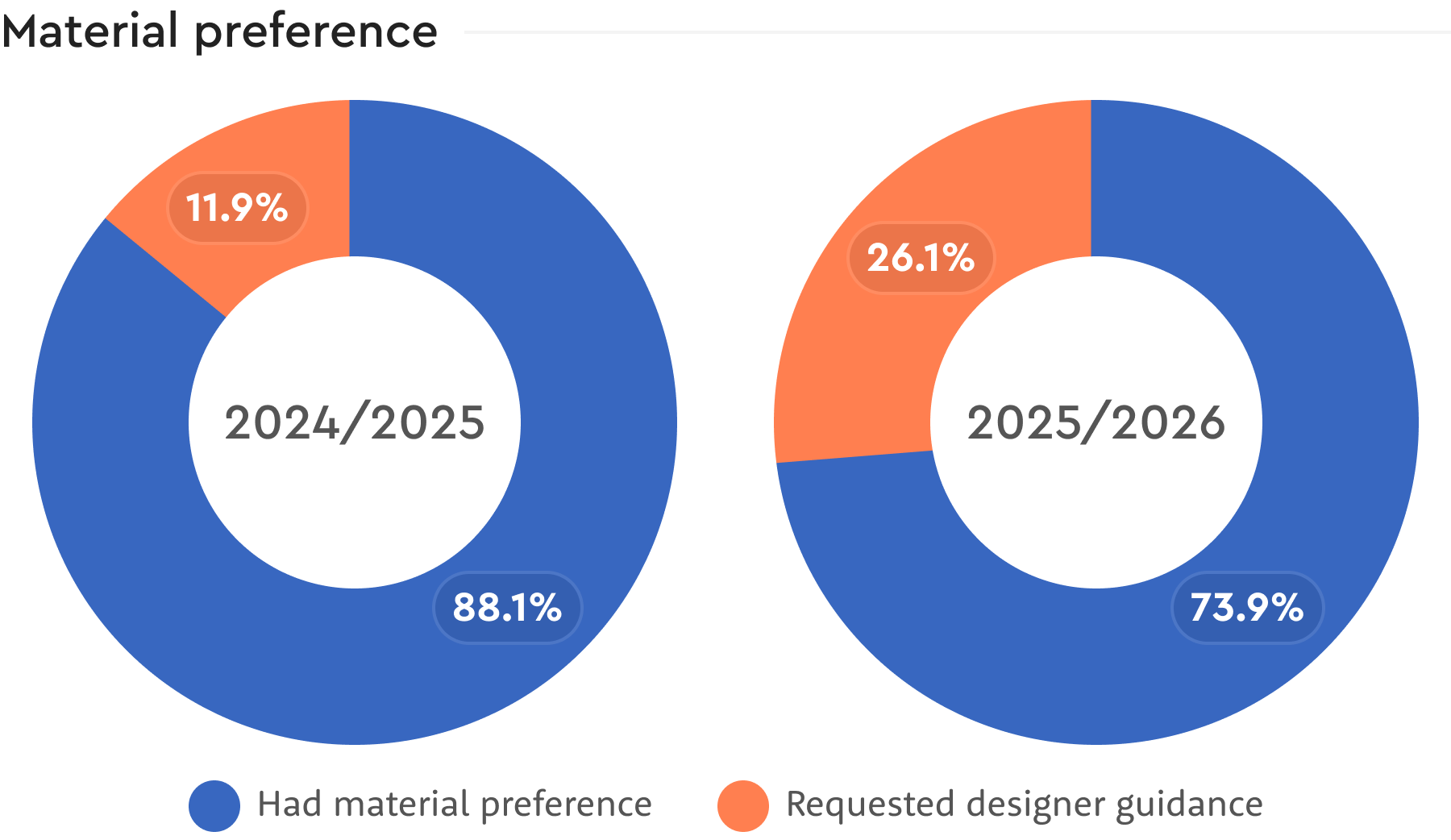
26.1% of clients approached their trophy design project without a material in mind in 2025/6, instead looking for more advice from their designers on the best option for their award.
This is a rise of 14.2% compared to the previous year, suggesting that clients are putting more trust in the expertise of their designers, and are looking for more creative guidance early in the design process. Rather than having a fixed idea in mind, many are collaborating with designers to explore options for materials and more, before making a final decision.
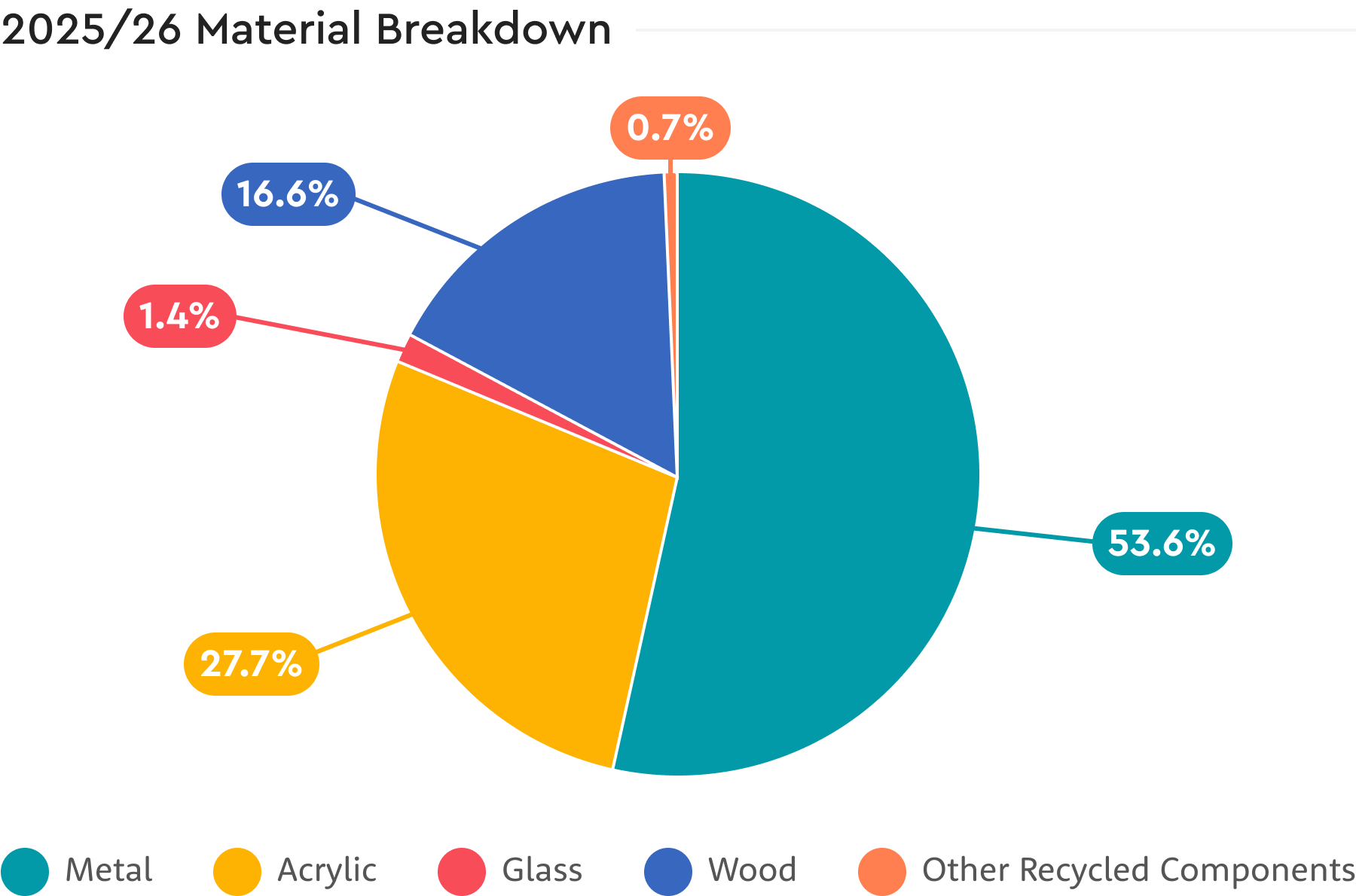
Majority of trophies are metal
Metal was by far the most popular choice of trophy material in 2025/6, being the first choice for over half of clients. Acrylic was the next most popular, with a share of 27.7%, and wood coming in third with 16.6%.
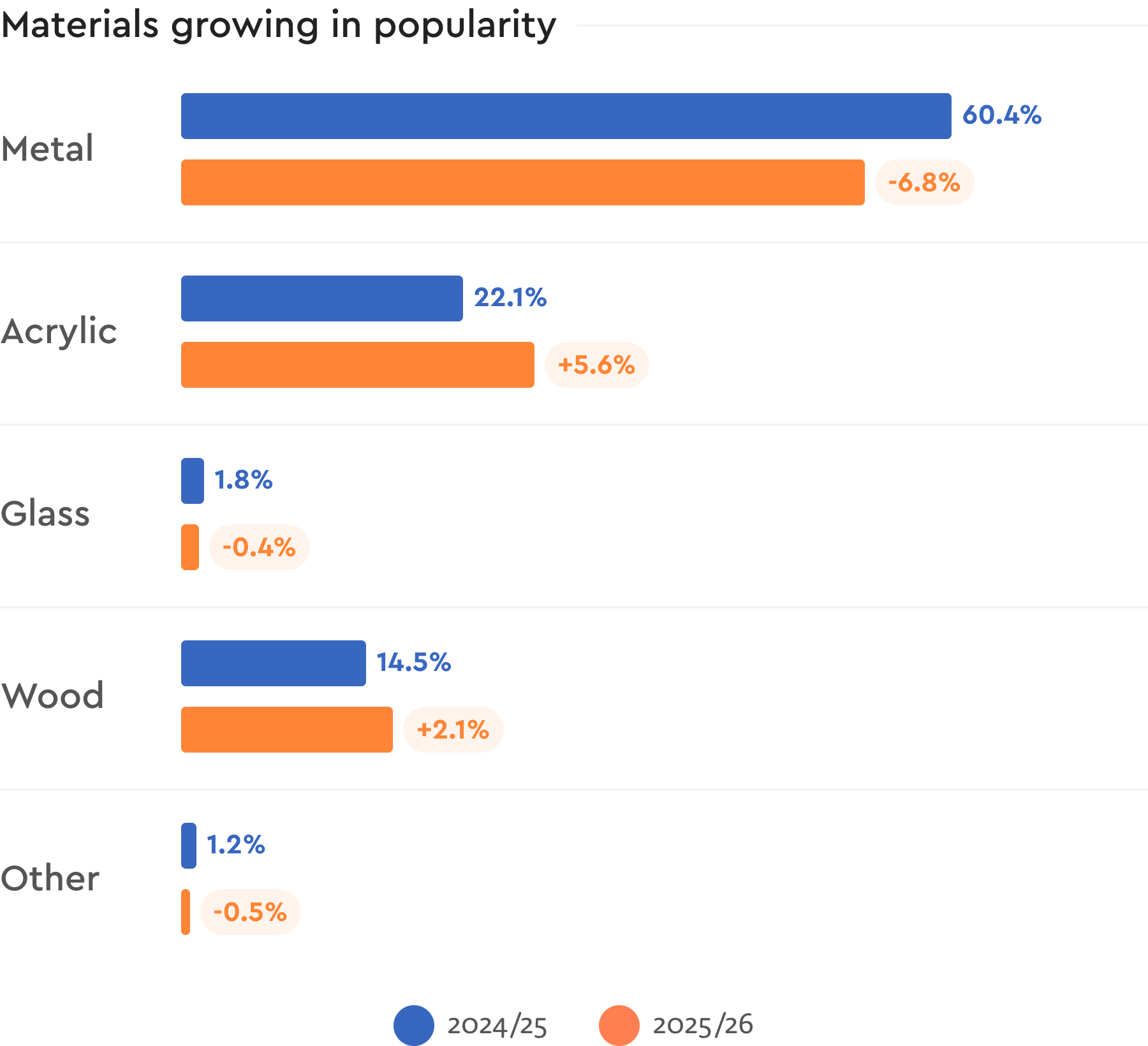
Alternative materials growing in popularity
Despite metal still being the most popular choice, this actually represents a drop compared to last year, where it commanded more than 60% of clients’ choices.
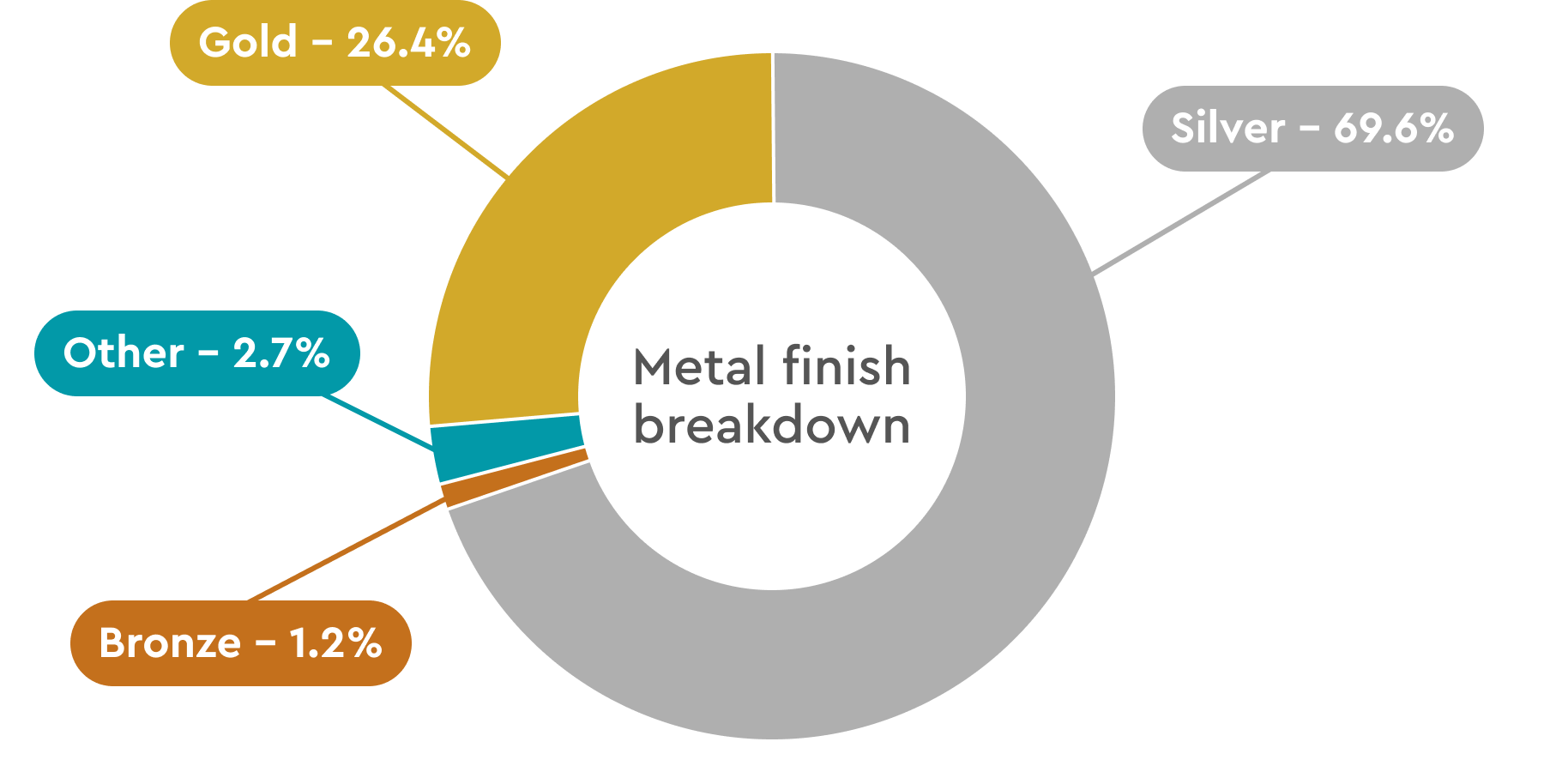
Silver more than twice as popular than gold
A silver trophy finish, whether plated silver or polished nickel, is by far the most popular choice of colour for a metal award. This is probably the most classic look for a cup or trophy, and is clearly still a firm favourite.
Nearly 70% of clients went for a silver colour finish, dwarfing the next most popular choice, which was gold at just over 26%.
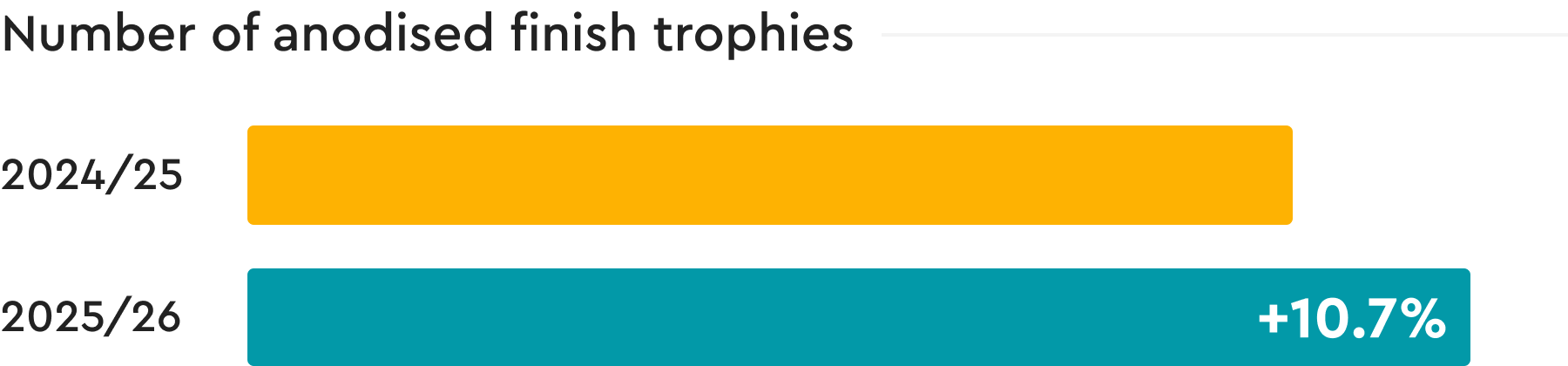
10.7% increase in anodised finishes
Anodising continues to be a rising trend in trophy design, with a rise of more than 10% for 2025/6 compared to last year.
Growing demand for sustainability
Clients are increasingly looking for awards that reflect their own environmental policies, with significant increases in demand for trophies created using eco-friendly material and manufacturing methods.
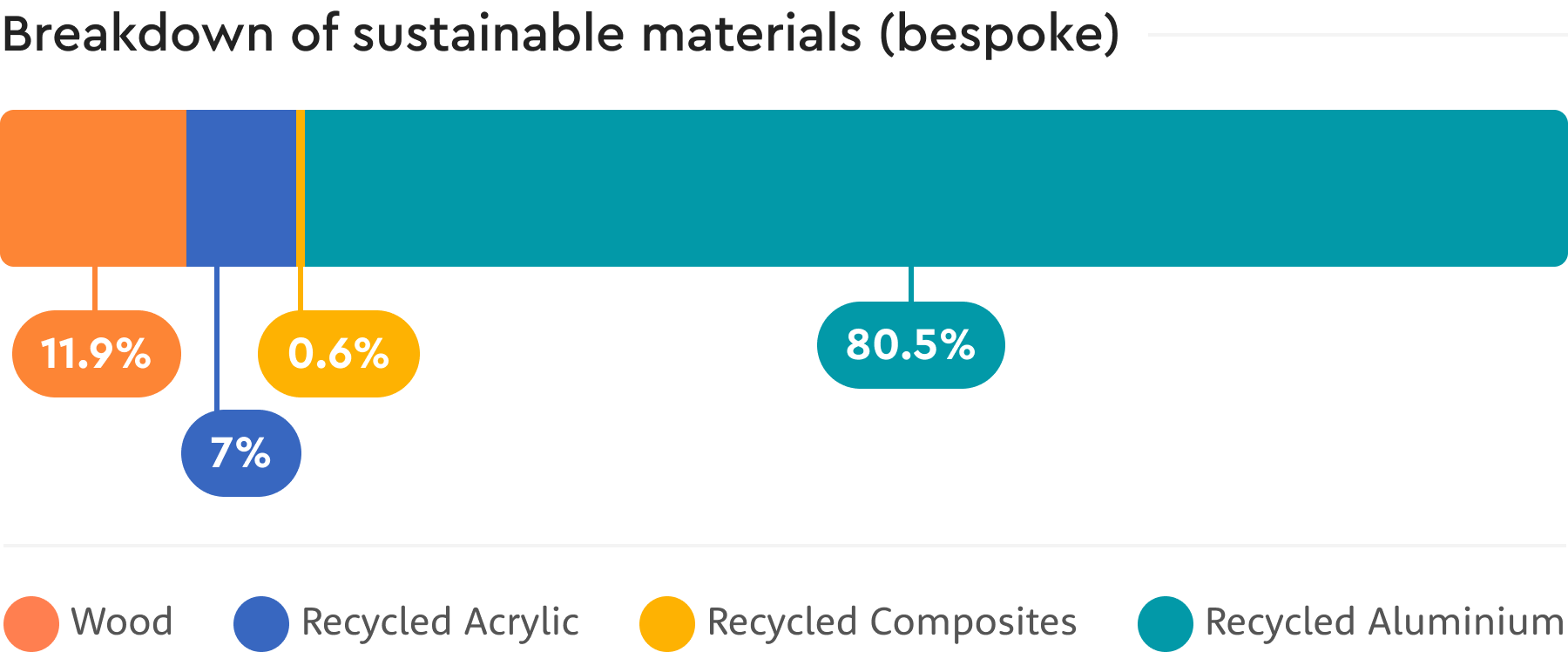
Aluminium overwhelmingly the most popular sustainable trophy material
Over 80% of bespoke sustainable trophies were made from recycled aluminium in 2025/6.
Aluminium is probably the most sustainable material to use in trophy design, as it’s infinitely recyclable – meaning that it can be reused any number of times, unlike acrylic or wood, which have a limited number of reuses.
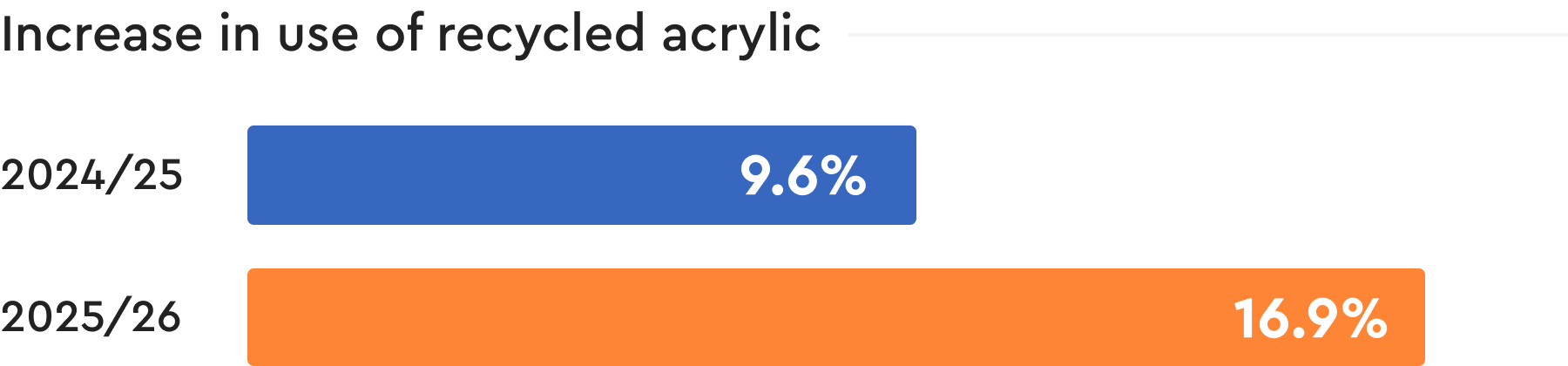
7.3% increase in recycled acrylic
More clients are choosing recyclable options, with an increase of 7.3% opting for recycled acrylic over standard for their bespoke trophy in 2024/5.
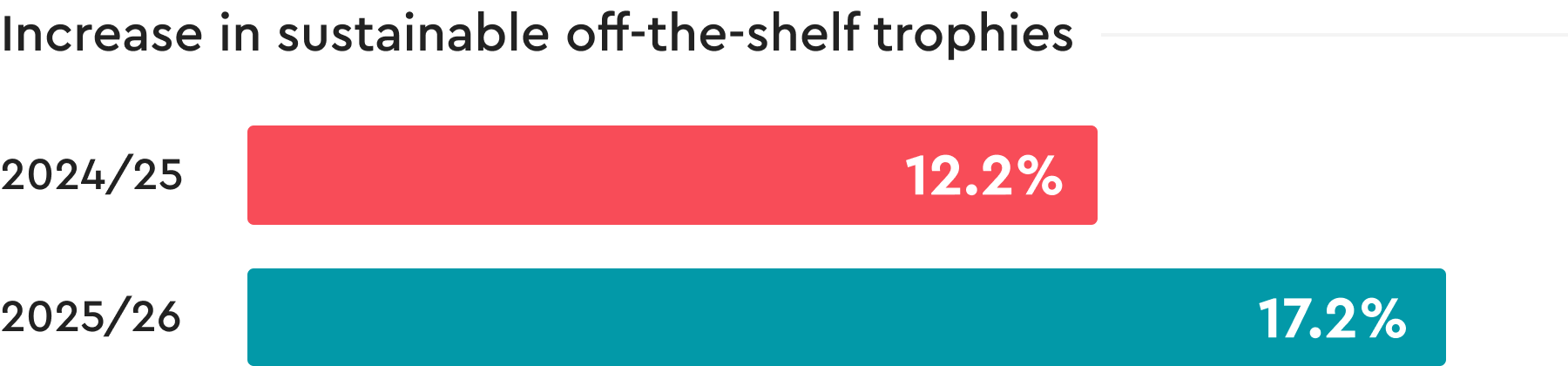
5% increase in sustainable off the shelf trophies
Even for pre-made trophies, there’s been a 5% increase in clients choosing sustainable options, including wood or recycled acrylic.
Key sustainability stats for EFX for 2025/6
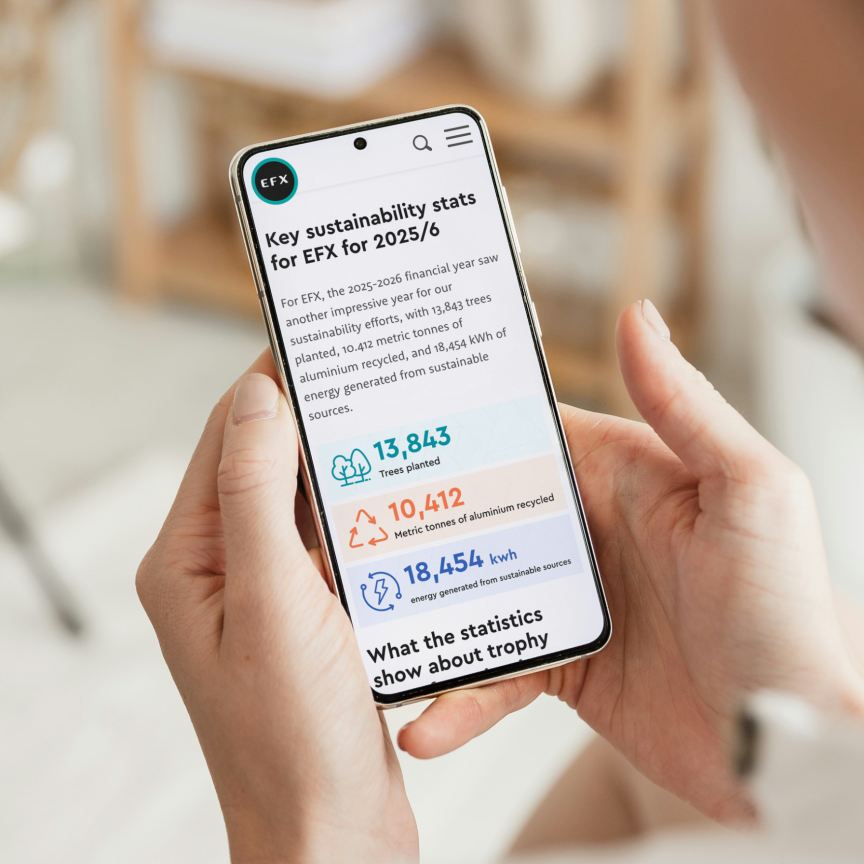
For EFX, the 2025-2026 financial year saw another impressive year for our sustainability efforts, with 13,843 trees planted, 10.412 metric tonnes of aluminium recycled, and 18,454 kWh of energy generated from sustainable sources.
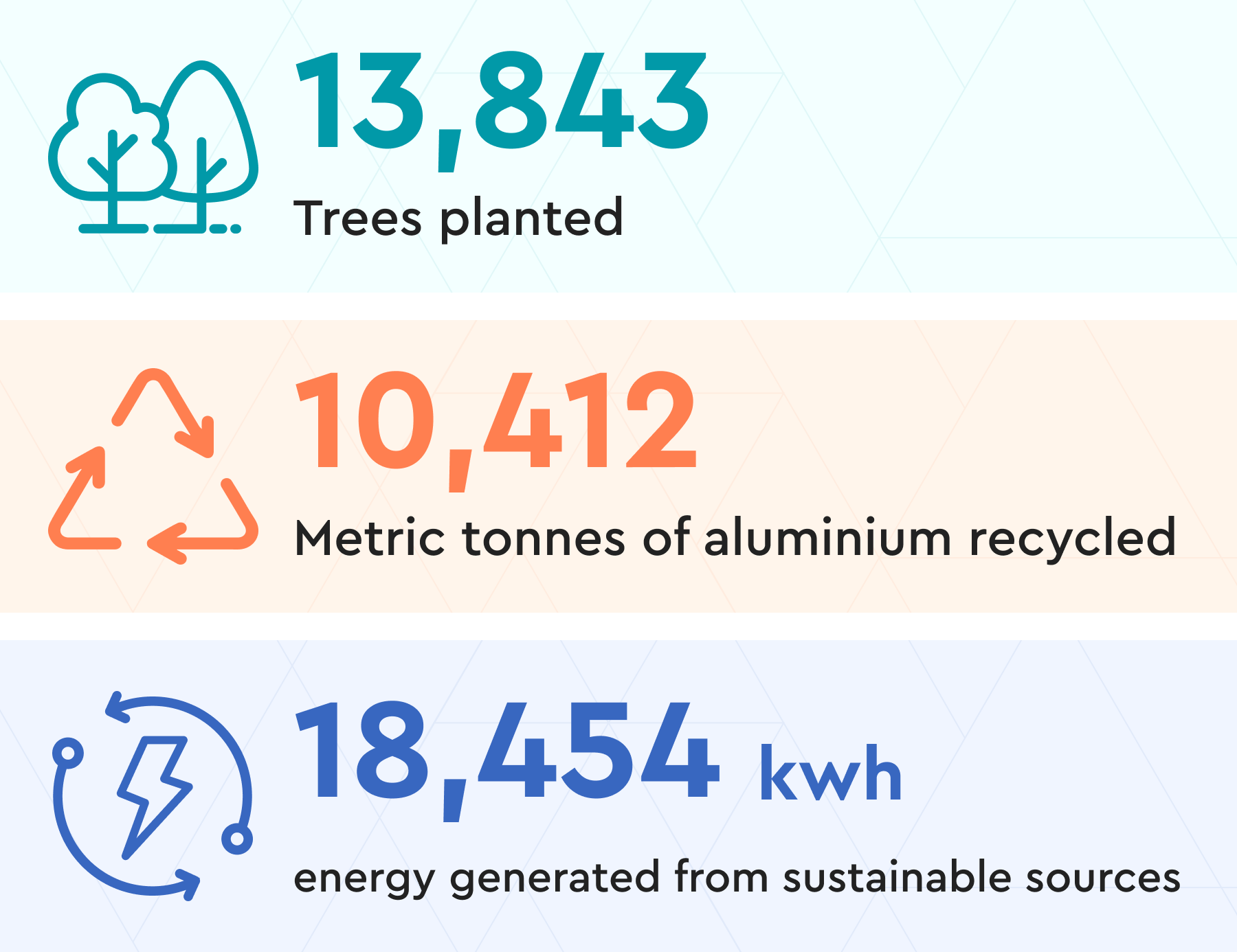
What the statistics show about trophy manufacturing in 2026
The trends observed in the 2025/6 financial year highlight dynamic shifts in the trophy industry.
As global demand continues to rise, the core narrative is clearly one of sustainability and collaboration. Clients are increasingly moving away from traditional materials toward more diverse, sustainable materials like recycled aluminium and acrylic.
Simultaneously, clients are more keen to rely on expert guidance from designers to define their vision.
For EFX, our commitment to environmentally responsible practices, from tree planting to renewable energy generation, puts us at the forefront of the movement towards a more eco-conscious, design-driven recognition industry.
Building on these observations we aim to benchmark and forecast future developments within the awards and trophy sector, using both our experiential insights and emerging future trends leading to exciting new developments in this diverse marketplace.
Related News
Want to read similar stories and updates? Here are some more articles that might interest you.
Our Favourite Trophy Designs of 2024
A Tribute to Peter